Glossary
The Dearborn menu decoder: 40 Lebanese, Yemeni, Palestinian and South Asian dishes explained
What is kibbeh nayyeh? Mujaddara? Arayes? Nihari? A plain-English glossary of the dishes you will see on halal menus in Dearborn, Hamtramck and beyond.
Mezze and salads
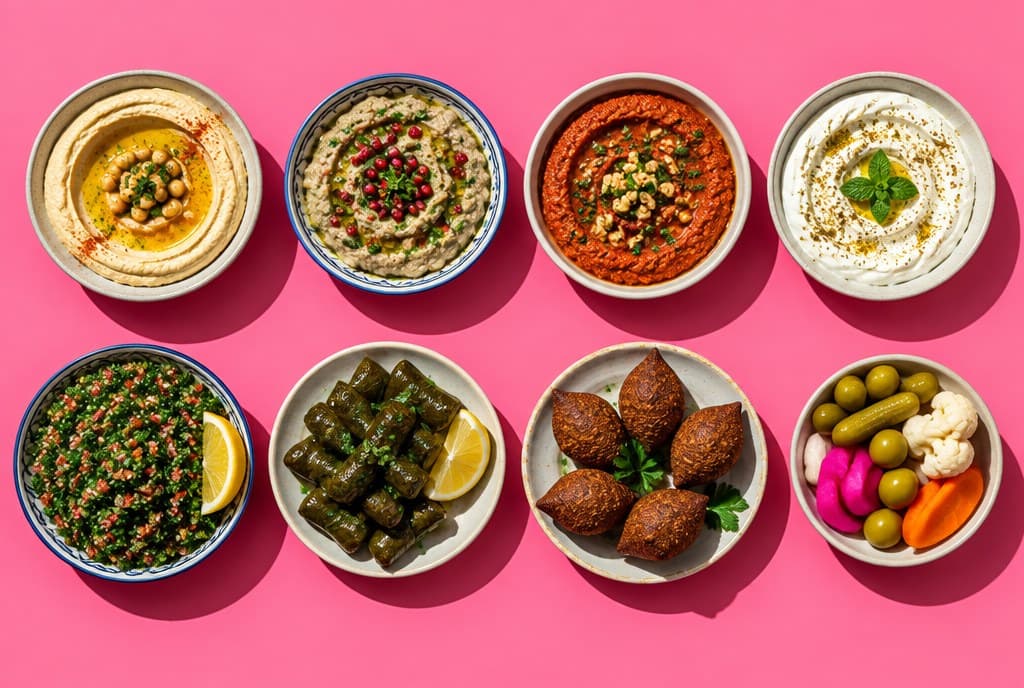
Hummus. Mashed chickpeas with tahini, lemon and garlic, finished with olive oil. Ordered "with meat" it comes topped with sautéed lamb or shawarma.
Baba ghanoush. Roasted, smoky eggplant mashed with tahini, olive oil and lemon.
Labneh. Yogurt strained until it is as thick as cream cheese, eaten with olive oil and zaatar.
Muhammara. A dip of walnuts, red peppers, pomegranate molasses and breadcrumbs, from Aleppo.
Toum. White garlic sauce. It has its own page.
Fattoush. Salad of greens, radish, cucumber and tomato with toasted or fried pita pieces.
Tabbouleh. Finely chopped parsley with bulgur, tomato, mint and onion, in lemon and olive oil. It should be green, not beige.
Falafel. Deep-fried fritters of ground chickpeas, fava beans or both, with herbs. Egyptian in origin, a street food across the Levant.
From the grill
Kafta. Minced beef or lamb with onion and parsley on a skewer. The earliest known recipes, in early Arab cookbooks, call for ground lamb.
Shish tawook. Cubes of marinated chicken on a skewer.
Shawarma. Marinated meat shaved off a vertical spit. See shawarma vs doner vs gyro.
Arayes. Pita stuffed with spiced kafta meat and grilled so the meat cooks inside the bread.
Mixed grill. One skewer of each, over rice or bread, usually with grilled tomato and onion.
Kibbeh
Kibbeh. Lean ground meat pounded with bulgur and spices, a national dish of Lebanon and Syria. The fried kind is torpedo-shaped with a meat filling. Kibbeh bil sanieh is baked in layers in a tray. Kibbeh labaniyeh is cooked in yogurt.
Kibbeh nayyeh. The raw version: minced lamb with fine bulgur and spices, served as a mezze.
Rice and one-pot dishes
Mujaddara. Lentils and rice topped with onions cooked until dark and sweet. Meatless and filling.
Maqluba. "Upside-down." Meat, rice and fried eggplant, cauliflower or potato layered in a pot and flipped onto a platter. First recorded in a 13th-century cookbook.
Mansaf. Jordan's national dish: lamb cooked in jameed, a dried fermented yogurt, served over rice and thin bread with almonds and pine nuts.
Musakhan. The Palestinian national dish: roast chicken with onions, sumac and pine nuts over taboon bread, traditionally made at the olive harvest.
Quzi. Iraqi slow-cooked lamb over rice.
Yemeni
Mandi, haneeth, saltah, fahsa and zurbian are covered in the Yemeni food guide.
Bread and bakery
Manakish. Flatbread baked with zaatar and oil, cheese or ground meat. Singular: man'ousheh. Breakfast.
Zaatar. Both a wild herb and the blend made from it with toasted sesame, sumac and salt.
Sfeeha. Small open flatbreads topped with minced lamb, onion, tomato and pine nuts, associated with Baalbek in Lebanon.
Kaak. A sesame-crusted bread ring, often split and filled.
Sweets
Knafeh, baklawa, maamoul and qatayef are in the sweets and bakeries guide.
South Asian
Biryani. Layered rice with spiced meat or vegetables. Hyderabadi biryani is cooked sealed, raw meat and rice together.
Karahi. Named for the deep, wok-like pan it is cooked and served in. Chicken or goat, tomato, ginger, green chili.
Nihari. Beef shank and bone marrow stewed overnight. The name comes from the Arabic for morning, because it was eaten after the dawn prayer.
Haleem. Wheat, lentils and meat slow-cooked and beaten to a thick paste. A Ramadan staple.
Seekh kabab. Spiced minced meat formed around a skewer and grilled.
Chapli kabab. A flat, spiced minced-meat patty from Peshawar.
Samosa. Fried pastry filled with spiced potato and peas, or meat.
Drinks
Jallab. A syrup of carob, dates, grape molasses and rose water, served cold with pine nuts and raisins.
Tamr hindi. Tamarind drink. The Arabic name means "Indian date" and is where the word tamarind comes from.
Qamar al-din. Apricot nectar made from sheets of dried apricot paste. A Ramadan drink.
Ayran or laban. Salted yogurt drink.
More on these in Ramadan drinks and sweets.
Sources (28)
- en.wikipedia.org/wiki/Hummus
- en.wikipedia.org/wiki/Baba_ghanoush
- en.wikipedia.org/wiki/Strained_yogurt
- en.wikipedia.org/wiki/Muhammara
- en.wikipedia.org/wiki/Fattoush
- en.wikipedia.org/wiki/Tabbouleh
- en.wikipedia.org/wiki/Falafel
- en.wikipedia.org/wiki/Kofta
- en.wikipedia.org/wiki/Hawawshi
- en.wikipedia.org/wiki/Kibbeh
- en.wikipedia.org/wiki/Kibbeh_nayyeh
- en.wikipedia.org/wiki/Mujaddara
- en.wikipedia.org/wiki/Maqluba
- en.wikipedia.org/wiki/Mansaf
- en.wikipedia.org/wiki/Musakhan
- en.wikipedia.org/wiki/Manakish
- en.wikipedia.org/wiki/Za%27atar
- en.wikipedia.org/wiki/Sfiha
- en.wikipedia.org/wiki/Biryani
- en.wikipedia.org/wiki/Karahi
- en.wikipedia.org/wiki/Nihari
- en.wikipedia.org/wiki/Haleem
- en.wikipedia.org/wiki/Seekh_kebab
- en.wikipedia.org/wiki/Chapli_kebab
- en.wikipedia.org/wiki/Samosa
- en.wikipedia.org/wiki/Jallab
- en.wikipedia.org/wiki/Tamarind
- en.wikipedia.org/wiki/Qamar_al-Din
Questions people ask
What is the difference between fattoush and tabbouleh?
Fattoush is a chopped salad of greens, cucumber, tomato and radish with pieces of toasted or fried pita. Tabbouleh is mostly finely chopped parsley with a little bulgur, tomato, mint and onion, dressed with lemon and olive oil.
What is kibbeh nayyeh?
Raw minced lamb mixed with fine bulgur and spices, served as a mezze with olive oil, onion and bread. It is made to order from meat ground that day.
What is kafta?
Minced beef or lamb mixed with onion, parsley and spices, shaped onto skewers or into patties and grilled. It is called kofta or kofte elsewhere.